
LSD. Effects, Risks, Testing, and Common Questions Explained
Lysergic acid diethylamide, commonly known as LSD, is a powerful psychedelic drug that has been widely discussed in science, culture, and mental health research. Interest in LSD continues to grow, leading many people to search for answers to questions such as what is LSD, LSD effects, does LSD show up on a drug test, and even LSD simulators or dream emulators.
This article provides an educational overview of LSD, its effects, risks, legality, and frequently searched topics—without promoting illegal activity.
What Is LSD?
LSD is a synthetic psychedelic drug known for producing intense changes in perception, mood, and thought. It was first synthesized in 1938 by Swiss chemist Albert Hofmann and later studied for its psychological effects.
LSD is often classified as a hallucinogen, although it more accurately alters perception rather than causing true hallucinations.
Key facts about LSD:
- Extremely potent (microgram doses)
- Long-lasting effects (8–12 hours or more)
- Usually taken on blotter paper, gel tabs, or liquid
LSD Drug: How It Affects the Brain
The LSD drug works primarily by interacting with serotonin receptors in the brain, especially the 5-HT2A receptor. This interaction alters how the brain processes sensory information.
Common LSD Effects
- Visual distortions and enhanced colors
- Altered sense of time
- Heightened emotions
- Introspective or “dream-like” thinking
- Changes in perception of self (ego dissolution)
Possible Negative Effects
- Anxiety or panic
- Confusion
- Paranoia
- Increased heart rate
- Risk of triggering mental health conditions
Because reactions vary widely, LSD effects are unpredictable and highly dependent on mindset and environment.
LSD Dream Emulator and LSD Simulator: What Do They Mean?
Search terms like “LSD dream emulator” or “LSD simulator” usually refer to digital tools, videos, or apps designed to approximate visual distortions associated with psychedelics.
These simulators do not replicate the real effects of LSD—they only mimic certain visual elements such as:
- Color enhancement
- Pattern movement
- Visual trails
They are often used for education, art, or curiosity, not as accurate representations of the full psychological experience.
How Is LSD Made?
Many people search for how is LSD made or how to make LSD, but it’s important to be clear:
LSD is an illegal substance in many countries, and producing it is a serious crime.
From a strictly educational standpoint, LSD is chemically synthesized in laboratory settings from compounds related to ergot fungus, requiring advanced chemistry knowledge, specialized equipment, and controlled environments.
No legitimate or safe method exists outside of regulated research facilities.
Does LSD Show Up on a Drug Test?
A common concern is does LSD show up on a drug test?
The short answer:
- Standard drug tests do NOT detect LSD
LSD is typically not included in routine urine, blood, or saliva drug panels because it is:
- Taken in extremely small doses
- Metabolized quickly
However, specialized tests can detect LSD for a short window (usually 1–3 days), though these are rare and expensive.
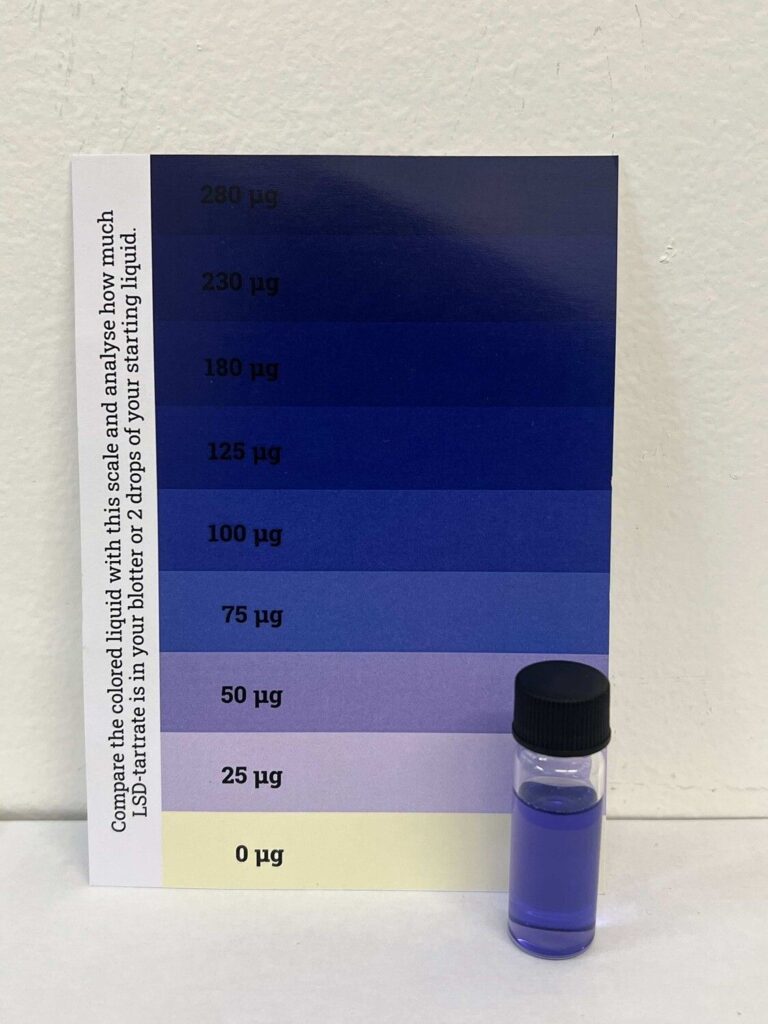
LSD Test Kit: What Are They Used For?
An LSD test kit (often called a reagent test) is designed to:
- Help identify whether a substance may contain LSD or related compounds
- Reduce the risk of unknown or dangerous adulterants
These kits do not measure purity or safety, but they are commonly referenced in harm-reduction discussions.
Is LSD Legal?
LSD is classified as a Schedule I controlled substance in the United States and many other countries, meaning:
- It is illegal to manufacture, possess, or sell
- It is considered to have high abuse potential
- It has no accepted medical use under federal law (though research is ongoing)
Laws vary by country, so local regulations should always be checked.
Final Thoughts: Understanding LSD Responsibly
Interest in LSD—from its effects to testing and simulation tools—continues to grow. While curiosity is natural, it’s essential to approach the topic with accurate information, legal awareness, and harm reduction in mind.
Educational content helps people make informed decisions, understand risks, and avoid misinformation—especially with powerful substances like LSD.


