
Ketamine Drug: Uses, Benefits, Risks, and Medical Applications
What Is Ketamine?
Ketamine drug is a powerful dissociative anesthetic drug originally developed in the 1960s for medical use. It is commonly used in hospitals for anesthesia, pain management, and emergency medicine. Ketamine works by blocking NMDA receptors in the brain, which affects perception, mood, and consciousness.
Medical Uses of Ketamine
Ketamine has a long history of safe use in clinical settings when administered by professionals. Its main medical uses include:
- Surgical anesthesia
- Emergency pain relief
- Sedation in trauma care
- Veterinary medicine
In recent years, ketamine has gained attention for its role in mental health treatment, especially for depression.
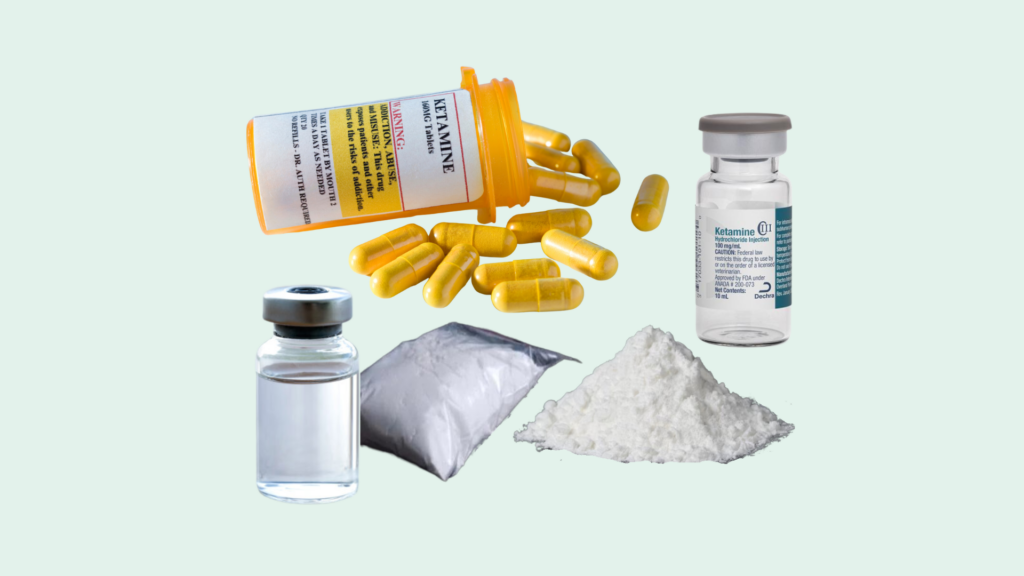
Ketamine for Depression and Mental Health
Ketamine is now widely studied for treating treatment-resistant depression. Unlike traditional antidepressants, ketamine can provide rapid relief, sometimes within hours.
- FDA-approved esketamine (Spravato) is used under strict medical supervision.
- Often combined with therapy for long-term mental health improvement.
- Shows promise in treating PTSD, anxiety, and suicidal thoughts.
Recreational Use and Ketamine Abuse
Despite its medical benefits, ketamine is sometimes misused recreationally under the street name “Special K.”
- Recreational ketamine use can lead to addiction and dependency.
- Long-term abuse may cause bladder damage, memory loss, and cognitive issues.
- Illegal use poses serious health and legal risks.
Side Effects and Health Risks of Ketamine
Ketamine side effects vary based on dosage and usage:
- Short-term effects include dizziness, nausea, confusion, and dissociation.
- High doses can cause hallucinations and impaired motor skills.
- Mixing ketamine with alcohol or other drugs significantly increases overdose risk.
- Chronic misuse can lead to urinary tract problems and brain damage.
Legal Status of Ketamine
Ketamine is classified as a controlled substance in many countries.
- Legal for medical and therapeutic use only.
- Illegal to possess or distribute without a prescription.
- Ketamine clinics must follow strict regulatory guidelines.
Ethical Concerns and Public Awareness
As ketamine therapy becomes more popular, ethical concerns include:
- Preventing misuse while expanding access to patients in need.
- Ensuring treatments are medically supervised.
- Educating the public on safe, legal, and responsible use.
Future Research and Advancements
Ongoing research focuses on:
- Developing safer ketamine-based treatments
- Reducing side effects while maintaining antidepressant benefits
- Expanding applications in psychiatry and neuroscience
Ketamine has reshaped modern mental health treatment and continues to influence future drug development.


