
Psychedelic Myths vs Reality
Psychedelic Myths vs Reality: Debunking Common Misconceptions and Talking Safety
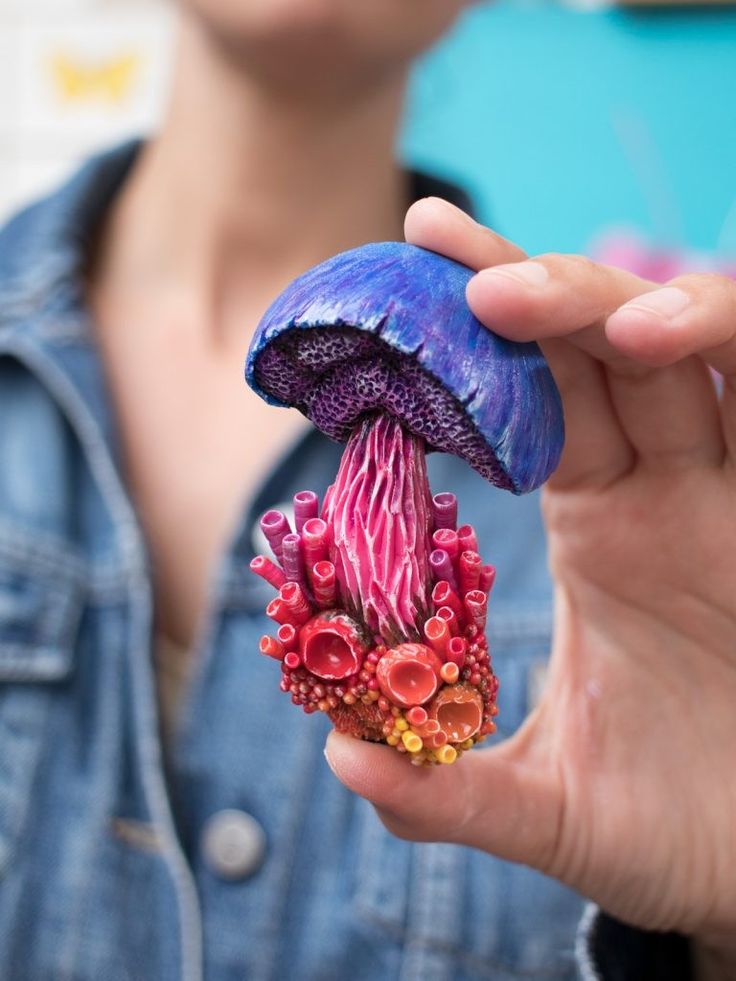
Psychedelics have long been surrounded by mystery, fear, and misinformation. For decades, these substances have been portrayed as extremely dangerous, addictive, or capable of permanently damaging the mind. While psychedelics can certainly be powerful and should never be taken lightly, many of the common beliefs about them are exaggerated or simply untrue. Psychedelic Myths vs Reality
Understanding the facts—along with realistic risks and safety considerations—helps people make more informed decisions. This article breaks down some of the most common psychedelic myths and replaces them with evidence-based explanations, while also emphasizing the importance of harm reduction and personal responsibility.
Myth #1: Psychedelics Are Always Dangerous
Reality: Risk Depends on Context, Not Just the Substance
One of the most widespread myths is that psychedelics are inherently dangerous. In reality, the level of risk depends heavily on dose, environment, mental state, and individual health factors.
Classic psychedelics such as psilocybin mushrooms, LSD, and DMT are generally considered physiologically non-toxic, meaning they do not damage organs the way alcohol or many prescription drugs can. However, psychological risks can arise if substances are used irresponsibly or without preparation.
Factors that increase risk include:
- Extremely high doses
- Unsafe or chaotic environments
- Mixing substances
- Underlying mental health conditions
Education and caution play a major role in reducing potential harm.
Myth #2: Psychedelics Are Addictive
Reality: Most Psychedelics Are Not Physically Addictive
Unlike substances such as nicotine, opioids, or alcohol, classic psychedelics do not create physical dependence. They also tend to build rapid tolerance, meaning repeated use over short periods produces diminishing effects.
That said, this does not mean misuse is impossible. Some individuals may chase intense experiences or use psychedelics as an escape mechanism. Psychological overuse can still lead to negative outcomes, especially without integration or balance.
Understanding moderation and intention is key.
Myth #3: One Trip Can Permanently Damage Your Brain
Reality: Long-Term Harm Is Rare and Usually Linked to Specific Risk Factors
The idea that a single psychedelic experience can cause permanent mental damage is largely rooted in outdated propaganda. For most healthy adults, long-term negative effects are uncommon.
However, risks may increase for individuals who:
- Have a personal or family history of psychotic disorders
- Take very large doses
- Use psychedelics in unsafe conditions
This is why screening, preparation, and honest self-assessment matter. Psychedelics are powerful tools, not casual recreational substances.
Myth #4: Bad Trips Happen Randomly
Reality: Set and Setting Strongly Influence the Experience
“Bad trips” are often portrayed as unpredictable and unavoidable. In reality, many difficult experiences can be traced back to poor set and setting.
- Set refers to mindset, emotional state, expectations, and mental health
- Setting refers to physical surroundings, social environment, and safety
Stress, fear, unfamiliar environments, or lack of trust can all increase the likelihood of a challenging experience. While not all difficult moments are avoidable, proper preparation significantly lowers the risk.
Myth #5: Psychedelics Automatically Cure Mental Health Problems
Reality: Psychedelics Are Tools, Not Miracle Cures
With growing interest in psychedelic research, some people assume these substances are guaranteed solutions for anxiety, depression, or trauma. This is a dangerous oversimplification.
Psychedelics may support insight, emotional processing, or perspective shifts, but lasting benefits usually depend on:
- Integration after the experience
- Lifestyle changes
- Support systems or professional guidance
Without integration, even powerful experiences can fade or become confusing rather than helpful.
Safety Talk: Harm Reduction and Responsible Use
Talking honestly about safety is essential. Harm reduction does not promote use—it promotes awareness and responsibility.
Key Safety Principles to Know
- Start with low doses, especially if inexperienced
- Avoid mixing psychedelics with alcohol or other drugs
- Be honest about mental health history
- Choose a calm, familiar, and safe environment
- Consider having a trusted, sober sitter
- Allow time afterward for rest and reflection
Respecting these principles reduces risk and supports healthier outcomes.
Why Education Matters More Than Fear
Fear-based narratives have not stopped people from using psychedelics—they’ve only made it harder for individuals to access accurate information. When myths dominate the conversation, people are less likely to prepare properly or recognize warning signs.
Education encourages:
- Informed decision-making
- Safer environments
- Realistic expectations
- Reduced stigma
Separating myths from facts allows for more honest, grounded discussions around psychedelics and safety.
Final Thoughts
Psychedelics are neither harmless toys nor guaranteed dangers. They are powerful substances that deserve respect, preparation, and responsibility. By debunking common myths and focusing on harm reduction, we can replace fear with knowledge and promote safer, more informed choices.
Understanding psychedelics begins with asking the right questions—and prioritizing safety every step of the way.
FAQs
Are psychedelics dangerous?
Psychedelics are not inherently dangerous, but risks depend on dosage, environment, mental health, and preparation. Responsible use and harm reduction significantly reduce potential harm.
Can psychedelics cause addiction?
Most classic psychedelics are not physically addictive. However, psychological misuse is possible if substances are used irresponsibly.
What causes a bad trip?
Poor mindset, unsafe settings, high doses, or lack of preparation are common factors that contribute to difficult psychedelic experiences.
Are psychedelics safe for everyone?
No. Individuals with certain mental health conditions or genetic predispositions should avoid psychedelics or seek professional guidance.
Do psychedelics cure mental illness?
Psychedelics are not cures. They may support insight or emotional processing, but long-term benefits depend on integration and ongoing support. Psychedelic Myths vs Reality


